
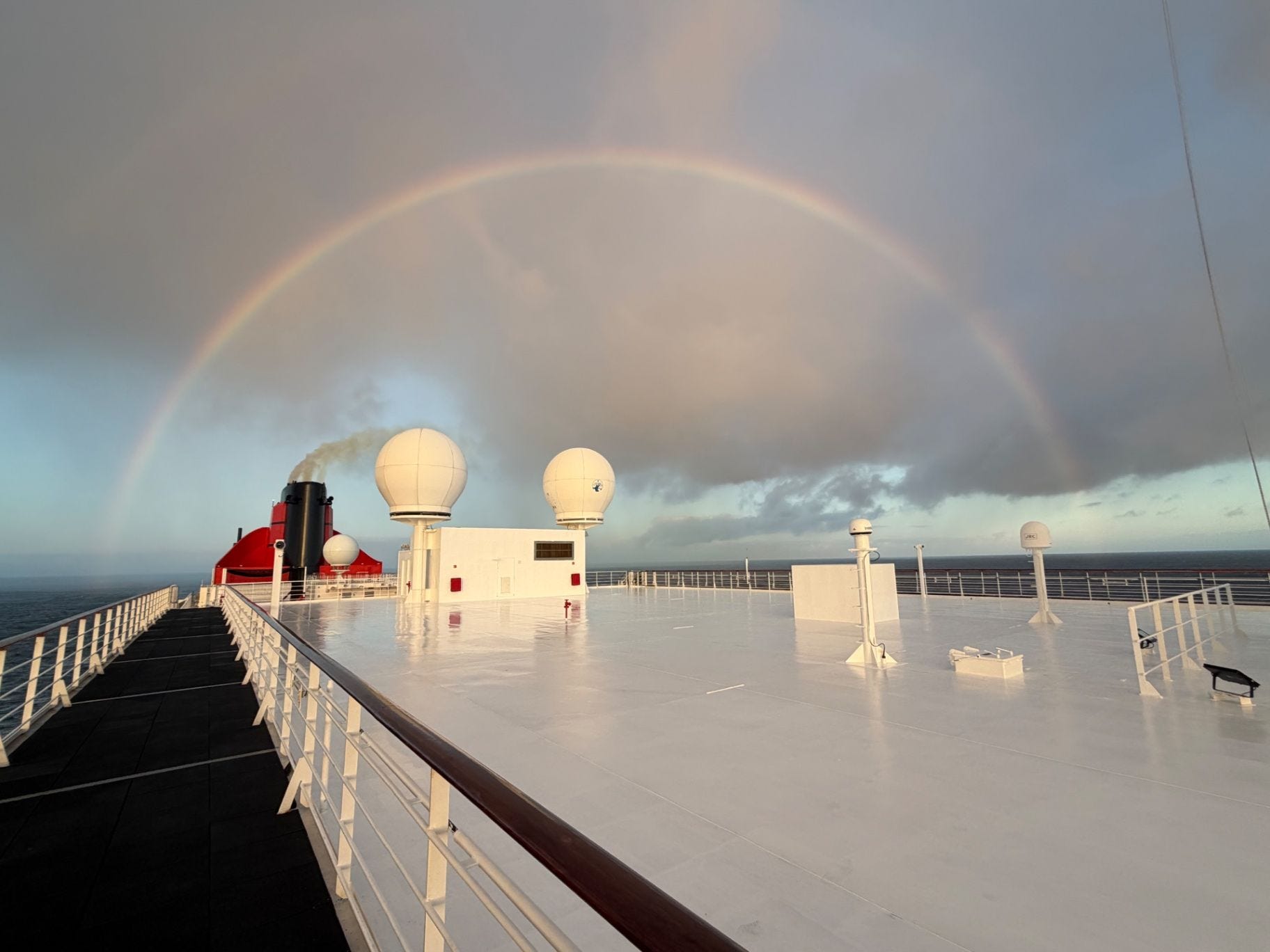
A first cruise can feel like a holiday with the hard parts already solved: your room travels with you, meals are close by, and each morning brings a new port. That’s a real pleasure. It can also make the planning look simpler than it is.
The ship, cabin, sailing date and port schedule all shape the trip. And the fare advertised at the top of the page may not include the things you assume it does. Here are the first time cruise tips I share with clients before they book, not to make cruising complicated, but to help the trip feel like the one they actually want.
The short version: Choose the cruise for its pace and ports, not just the ship’s photos. Pick a cabin for comfort and location, arrive at the departure city the day before if you can, budget for extras, and leave some room in the itinerary to do less.
1. Choose the sailing before you choose the ship
Start with what you want the days to feel like. Are you hoping for a quiet stretch at sea, a different port most days, long visits ashore, or a ship with plenty to do while you’re onboard? A cruise is not one type of holiday. A seven-night itinerary with several port days feels very different from a longer crossing with more sea days.
Look closely at the itinerary, not just the list of destinations. Check how long the ship is in port, whether it arrives early or leaves mid-afternoon, and whether it anchors offshore and uses smaller boats to get passengers to land. A short call can make a place feel like a quick glimpse rather than a day to explore.
For a particular date, a connecting cabin, a suite, or a seasonal route, it’s sensible to start looking roughly six to twelve months ahead. That gives you more choice, though the right timing depends on the cruise line, route and demand. If your dates are flexible and cabin choice matters less, you may have other options. A sale isn’t much of a bargain if it means taking a ship or itinerary that doesn’t suit you.
2. Pick a cabin for how you’ll use it
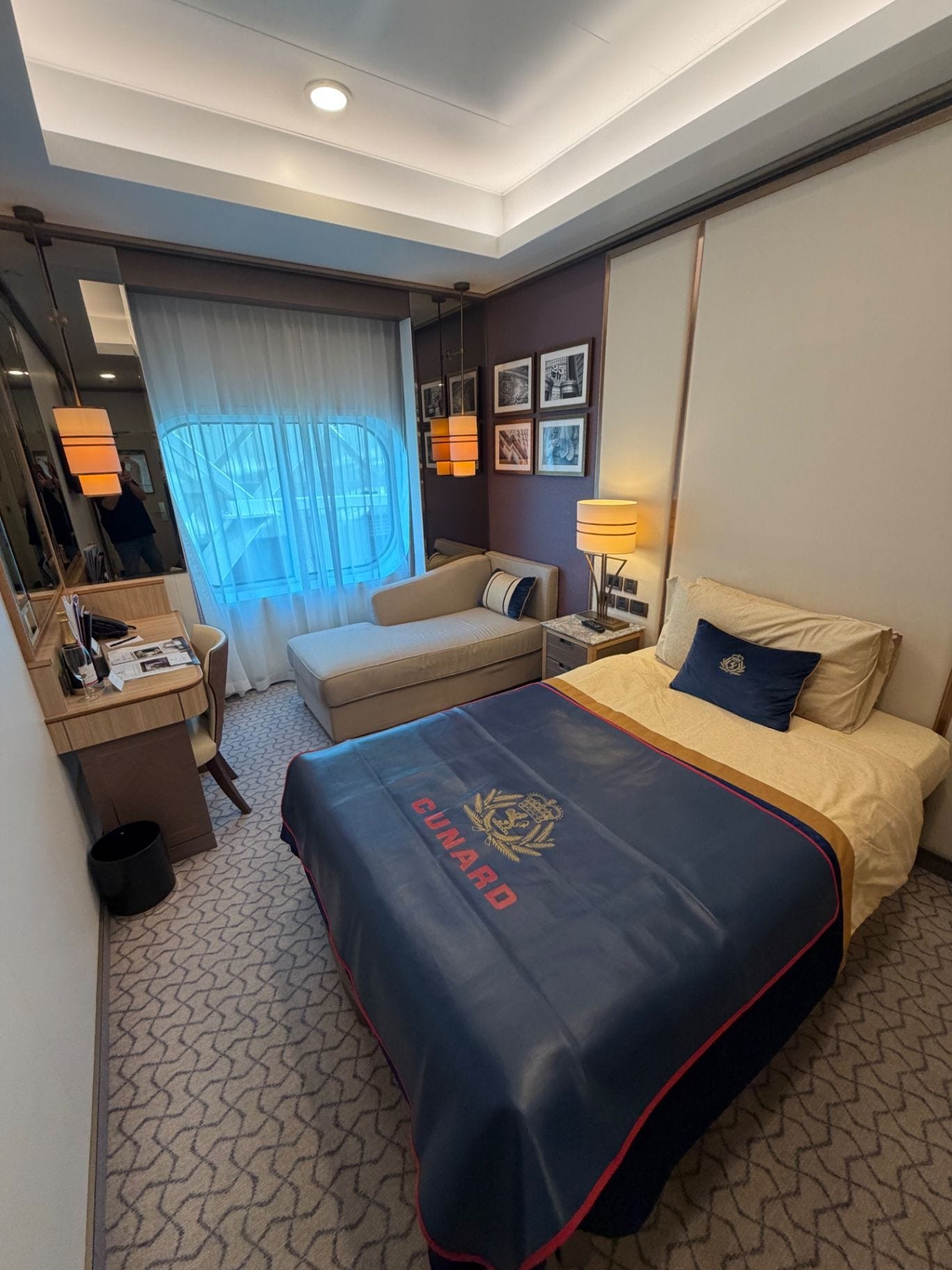
There’s no single best cabin. There’s the cabin that fits your budget, your tolerance for motion, and the way you like to spend time onboard.
Interior: Usually the most economical choice. It can work well on a port-heavy trip if you expect to spend little time in your room.
Ocean-view: Brings in daylight, though the window may not open.
Balcony: Gives you private outdoor space. It can be lovely for scenery or a quiet morning, but it isn’t automatically worth the extra cost for every itinerary.
Suite: Offers more space and may come with additional benefits, depending on the line and category. Check exactly what’s included.
If you’re worried about motion, ask about a cabin around the middle of the ship and on a lower-to-middle deck. It’s not a guarantee you won’t feel movement, but it’s a common starting point. If you’re a light sleeper, check the deck plan for nearby theaters, pools, elevators and other busy areas. The CDC’s cruise travel guidance is useful for broader health considerations; for cabin placement, the cruise line’s deck plan is the practical tool.
3. Fly in the day before, and don’t cut it close on the way home
If you’re flying to the departure port, I strongly recommend arriving the day before the ship sails. A delayed flight, a missed connection or a long wait for checked bags can turn embarkation day into an expensive sprint. The ship won’t wait for a passenger who is still on the way from the airport.
The night before also gives you a chance to sleep, have a relaxed meal and reach the terminal without stacking every part of the trip on the same day. If you’re sailing from Los Angeles, check which port and terminal your ship uses: the Port of Los Angeles and the Port of Long Beach are separate places.
For your return flight, allow plenty of time after the scheduled arrival. You’ll need to disembark, collect your bags and get to the airport. A flight in the early afternoon or later is often easier to manage than one that assumes everything will go perfectly.
Complete online check-in before travel and follow the cruise line’s instructions about your terminal arrival time. The departure time is not your boarding time. Keep your passport and required travel documents, medication, valuables, chargers and a change of clothes in your carry-on; checked luggage may arrive at your cabin later. The cruise line’s departure-day guidance is a good example of the details to verify for your own sailing.
4. Add up the real cost before you decide
Here’s one thing cruise marketing can make easy to miss: the headline fare is not always the cost of the holiday. What’s included varies by cruise line, fare and booking package. Drinks beyond the included options, Wi-Fi, specialty restaurants, shore excursions and gratuities may be extra. Flights, a pre-cruise hotel, transfers and travel insurance may sit outside the cruise fare entirely.
Before you book, make a simple list of the extras you’re likely to want. If you enjoy a glass of wine with dinner, that’s different from wanting a drinks package every day. If you’re happy reading offline, you may not need shipboard Wi-Fi. And you don’t have to book a paid excursion in every port.
Ask what gratuities are on your sailing, whether they’re already prepaid, and whether any service charges are added to purchases. Policies and amounts vary, so check your booking documents or ask the cruise line or your travel advisor for the current details. The point isn’t to price every pleasure out of the trip. It’s to know what you’re choosing before the onboard account starts adding up.
5. Plan excursions, but don’t fill every port
Book the experiences you would be genuinely disappointed to miss. Popular tours can fill up, so it’s worth checking availability a few months before departure. For everything else, leave options open: a walk, a long lunch, a beach, a museum, or simply a quieter day onboard while other passengers go ashore.
Cruise-line excursions may cost more than independent tours, but they can simplify the logistics. If you arrange your own outing, understand the distance back to the ship and the all-aboard time. The ship’s departure time is not a suggestion, and it may not wait for late passengers returning from an independently booked tour.
Check walking distances, stairs, tender boats, cancellation terms and what’s actually included. A small detail, such as a steep walk from the pier or an early return time, can change whether an outing is right for you.
6. Give seasickness a little thought before you sail
You don’t have to expect the worst, but it’s sensible to plan ahead if you’re prone to motion sickness or aren’t sure how you’ll feel. If you’re considering medication, ask a healthcare professional in advance what’s appropriate for you and when to take it. Some remedies can cause drowsiness or interact with other medications.
Fresh air and looking toward the horizon help some people. So can choosing a central cabin and not waiting until you feel unwell to think about prevention. Pack any medication you may need in your carry-on, and ask the ship’s medical team for help if symptoms become significant. The CDC Yellow Book’s cruise ship guidance covers health and motion-sickness considerations in more detail.
7. Let the first day be a first day
Embarkation day can be busy. Your cabin may not be ready right away, the ship is unfamiliar, and everyone is trying to find lunch at once. Keep the day simple: board within your assigned window, keep essentials with you, complete the required safety procedures, and take a little time to learn your way around.
Make any dining or show reservations you care about, then let the rest wait. You don’t need to master the whole ship before dinner. A good first afternoon is one where you’re onboard, fed, and not wondering where your passport ended up.
A cruise should feel like your trip, not a checklist
My job as a travel advisor is to help you find the right fit: the ship, route, cabin and pace that make sense for you. I’m based in Los Angeles and plan cruises alongside longer, multi-stop and family trips. I start with a conversation about what you want the trip to feel like, then handle the research and logistics. I charge no planning fees; I’m paid by commission from the suppliers I book, and I’m upfront about that.
For me, the journey matters as much as the destination. A cruise can be a way to see several places, but it can also be a chance to settle into the rhythm of being at sea. You don’t need to do everything the ship offers for the trip to be worthwhile.
If you’re weighing a first cruise or trying to make one fit the people and priorities in your life, tell me about your trip. And if you’d like more travel stories and practical guides for quieter, unhurried travel, subscribe to Slow Crossings.